-
Claiming deepfake was not enough to get video evidence suppressed
October 10, 2026 - The Iowa Supreme Court has held that merely suggesting a video could be an AI-generated deepfake is not enough to keep it out of evidence. . . .
-
AI gave manslaughter victim a voice but made his killer’s sentencing unfair
October 2, 2026 - An Arizona court of appeals overturned a sentence imposed for manslaughter because of content produced at sentencing showing the victim appearing as an AI-generated personality. . . .
-
The first appellate AI training decision is not really a generative AI case
October 1, 2026 - The first federal appellate court to decide whether copying copyrighted material to train an artificial intelligence system can constitute fair use ruled against the AI . . .
-
First Amendment and Section 230 protected online publication of a sealed arrest report
September 30, 2026 - Plaintiff Blackman sued journalist Jack Poulson, Substack, and Tech Inquiry over online reporting about his arrest for felony domestic violence. The government chose not to . . .
-
Court upholds Pentagon exclusion of Anthropic over Claude use restrictions
September 26, 2026 - Anthropic challenged a Department of War decision excluding the company and its Claude artificial intelligence models from the Department’s supply chain after Anthropic refused to . . .
-
Social media defamation claim fails where public record supported the post
September 24, 2026 - Lawyer Stefan Passantino sued former federal prosecutor and legal commentator Andrew Weissmann for defamation over a post Weissmann made on X. The post identified Passantino . . .
-
What the proposed Stealth Bot Prohibition Act could mean beyond AI scraping
September 23, 2026 - Here is what the proposed federal Stealth Bot Prohibition Act, H.R. 9915 prohibits: A person may not (1) deploy, direct, or cause to be deployed, . . .
-
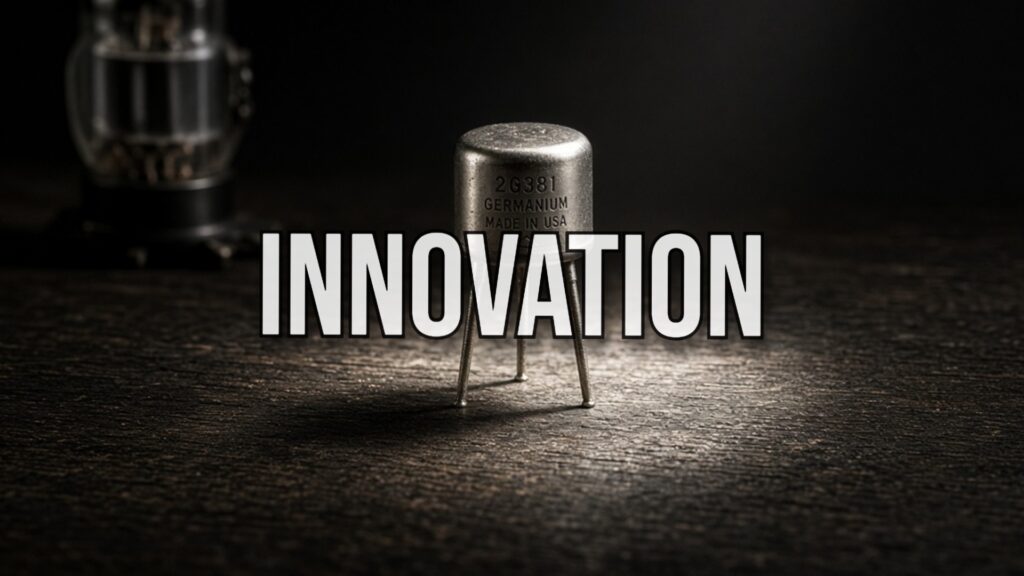
What happens to a trade secret when technology moves on?
September 21, 2026 - The secrets of building a great vacuum tube did not have to leak for their value to wane when transistors arrived. AI may create the . . .